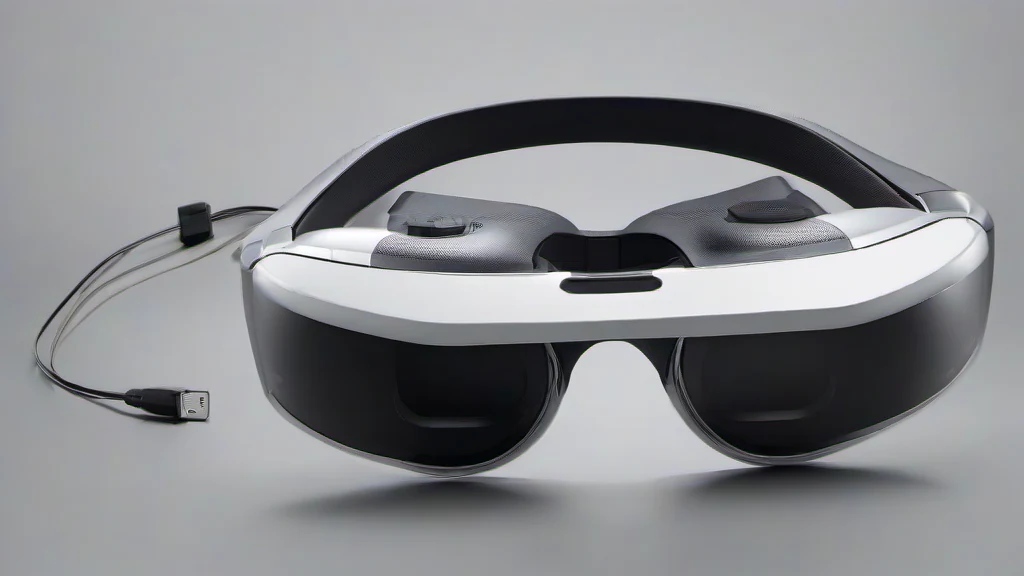
Meta’s upcoming VR Glasses stood out in a 45-minute hands-on test for their light, comfortable design and a mix of virtual-reality entertainment and productivity tools. The glasses are priced at $1,299, with Meta expecting them to arrive next spring, between April and early June.
The frames weigh about 100 grams and resemble oversized sunglasses. Rather than putting the processor, storage and battery in the headset, Meta places those components in a separate 300-gram puck that can be carried in a pocket or worn on a belt. The design leaves the glasses open to the surrounding environment, although an optional light shield will be available.
Despite their compact appearance, the glasses include cameras for tracking the wearer’s eyes and hands, as well as the outside world. Eye-tracking setup and hand gestures were familiar, and the reviewer found the tracking accurate. A 5K Micro-OLED display presented floating app icons and windows. One additional gesture lets users scroll by making a fist and swiping a thumb along the side of the index finger.
The demonstration included an 8K Billie Eilish concert viewed from the front row, an NBA Finals replay from a courtside perspective and a puzzle game featuring a small virtual dragon. Meta says it expects to offer more than 75 hand-focused games by launch. The glasses can also cast what the wearer is viewing to a nearby computer or phone.
For films, Avengers: Infinity War VR Enhanced adds 360-degree imagery around the original movie and allows some characters to appear beyond the film frame. The reviewer found the effect entertaining, though it changes how the movie is experienced.
Productivity features include large virtual desktop screens that users can move, resize and make ultrawide. A coding window became difficult to read when stretched, a limitation noted during the pre-release software demonstration. The glasses also offer a virtual keyboard and a tabletop option: after scanning a surface, the system displays a transparent keyboard and trackpad that can be used like their physical counterparts.
The hands-on left questions about the device’s appeal at its price and whether its Qualcomm Snapdragon Reality Elite processor, identified as XR2 Gen 3, will be powerful enough for demanding games. The reviewer highlighted productivity as a potential use for knowledge workers, business travelers and enterprise customers, while also praising the glasses’ comfort after continuous use.
Sources: TechRadar.